
The World Jewish Restitution Organization urges Belgium to establish a Fair Process for Nazi-Looted Property
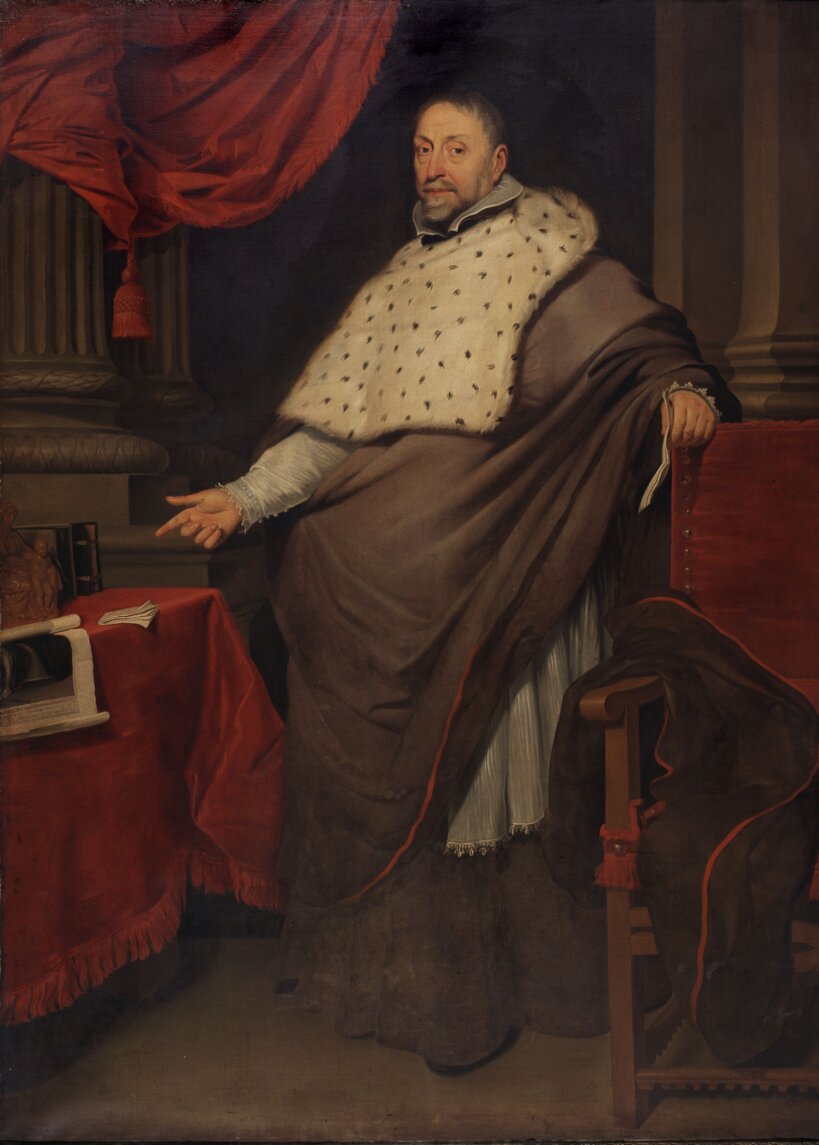
The World Jewish Restitution Organization (WJRO) expressed concern over the decision-making process used by the ad hoc group created by the city of Ghent to review a Holocaust-era spoliation matter.
The group ultimately declined to recommend restitution, even while acknowledging that the work at issue had been taken through a clear act of Nazi-era spoliation. This outcome underscores significant structural gaps in Belgium’s approach to resolving issues related to Nazi-looted property.
“The procedure used in Ghent illustrates the fundamental shortcomings of relying on ad hoc, city-appointed bodies to address issues of Holocaust-era spoliation,” said Gideon Taylor, President of the World Jewish Restitution Organization (WJRO). “A credible restitution system must be independent, transparent, and guided by clear standards. Belgium has endorsed the Washington Principles and the Best Practices, now it must build the mechanisms necessary to implement them.”
The Best Practices, developed by WJRO together with the U.S. Department of State and now endorsed by 34 countries, including Belgium, provide governments, museums, and institutions with clear guidelines to ensure fair, transparent, and consistent procedures for handling claims involving Nazi-confiscated property.
The Ghent process demonstrates why Belgium urgently needs a national framework. As an ad hoc, city-level procedure, it did not incorporate broader stakeholder participation, including representation from the Jewish community, nor was it designed to reflect shared national and international criteria.
These structural limitations highlight the need for a coherent approach that aligns local practices with the forthcoming Flemish guidelines and with emerging proposals in Belgium to create a more unified approach to provenance research and restitution.
Belgium still lacks a national restitution commission or uniform procedure for addressing Nazi-looted cultural property, despite recommendations made years ago by the government-appointed Buysse Commission. Without a coordinated, countrywide mechanism, individuals and families face inconsistent processes and uncertain avenues for review.
WJRO welcomes recent developments in Flanders, including the government’s announcement of its intention to establish a Restitution Commission beginning in 2026, and the growing recognition among Belgian policymakers that more must be done. Proposals under discussion include enhanced provenance research, improved academic capacity, the creation of a dynamic database to track Nazi-looted art, and cross-border cooperation with neighboring countries. While these are promising steps, regional initiatives alone cannot close the national gap.
“The developments in Flanders are encouraging, but Belgium needs a unified, nationwide process that ensures fairness, independence, and transparency,” Taylor continued. “A robust national framework, aligned with the Best Practices, is essential to addressing Holocaust-era property issues responsibly and effectively.”
WJRO calls on Belgian authorities at the federal and regional levels to work together to establish a comprehensive national restitution mechanism that meets international standards, incorporates meaningful stakeholder participation, and provides a clear, just, and consistent pathway for addressing claims related to Nazi-looted property.
Main Image: Main Image: Portrait of Bishop Antonius Triest (after 1630) by Gaspar de Crayer, MSK Ghent