
The Hohenzollern Crypt will reopen its Doors on 1 March 2026
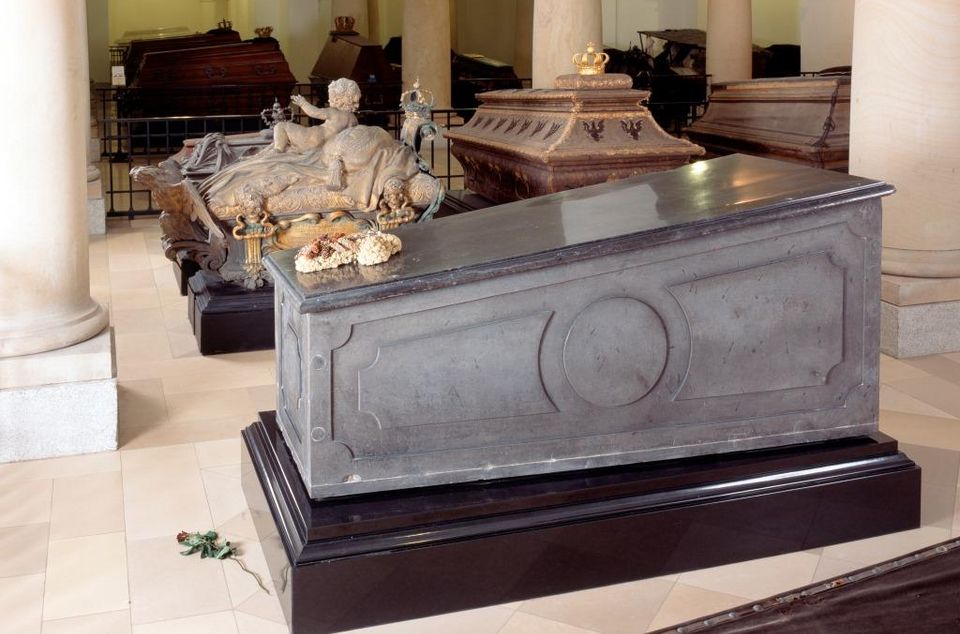
After more than ten years of planning and six years of construction, the Hohenzollern crypt in Berlin Cathedral, one of the largest dynastic burial sites in Europe, is once again open to the public.
The Hohenzollern crypt in Berlin Cathedral is Germany's most important dynastic burial site. Alongside the Capuchin Crypt in Vienna, the royal tombs in St Denis Cathedral in Paris and the crypt of the Spanish kings in El Escorial near Madrid, it is one of the most significant dynastic burial sites in Europe.
Princes and kings from the House of Hohenzollern and their families, who had a decisive influence on the state and city of Berlin, are buried here. The Great Elector, King Frederick I, his wife Sophie Charlotte and Queen Elisabeth Christine, for example, found their final resting place here.
The Hohenzollern crypt contains a total of 91 burials from the end of the 16th century to the beginning of the 20th century and, with the magnificent sarcophagi and tomb monuments in the Predigtkirche, documents five hundred years of Brandenburg-Prussian burial culture.
All artistic styles since the late Gothic period are reflected in the tombs and coffins made of stone, metal and wood, some of which are simple, others richly decorated. The wooden coffins covered with textiles such as velvet and brocade are particularly rare.
During the Second World War, the Hohenzollern crypt was also severely damaged by the collapse of the main dome, which was hit by bombs, and by fire. Some coffins were almost completely destroyed.