
The Financial Resilience of Government sponsored Museums and Galleries in England
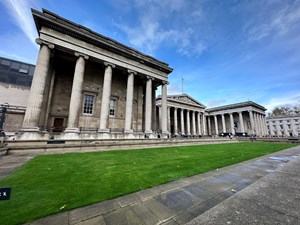
The Department for Culture, Media & Sport (DCMS) sponsors and directly funds 15 museums and galleries in England. Between 2019 and 2024, the museums and galleries included seven of the top 10 most visited free visitor attractions in England.
The museums and galleries are nationally and internationally significant, contributing to the UK’s influence overseas, through international loans from their collections, touring and promoting exhibitions internationally, and research projects.
DCMS gave grant-in-aid of £484 million to these bodies in 2024-25. They also receive funding from other government sources, such as the National Lottery Heritage Fund and tax reliefs, and raise their own income from, for example, commercial activities and fundraising. In 2024-25, they employed over 6,800 permanent staff, received 42 million visitors, and had a total net asset value of almost £9 billion.
The report reviews how well the 15 DCMS-sponsored museums and galleries and DCMS have managed museums and galleries’ financial challenges after DCMS started to end its extra COVID-19 pandemic funding from its peak in 2021-22.
DCMS and the museums and galleries have worked in partnership to oversee museums and galleries’ continued operations as government funding reduced from the exceptional amounts provided during the pandemic. This has required DCMS to provide additional funding to some museums and galleries that it identified faced the greatest financial risks.
Museums and galleries have managed increasing costs and found ways to increase self-generated income through a range of innovative and commercially minded strategies, despite lower overall visitor numbers than before the pandemic.
Museums and galleries are now more reliant on self-generated sources of income that are vulnerable to wider economic factors, and they are using cost-containment measures that can only go so far before they risk the achievement of objectives. Museums and galleries will need to navigate these challenges through good financial management and planning, with DCMS having overarching responsibility for ensuring whether they can care for and provide free access to their collections.
Therefore, DCMS must ensure that it has structures in place to identify early warning signs, should museums and galleries start struggling to manage their financial risks, so it can intervene early – potentially before additional funding is required.
Its work to address gaps in its oversight and monitoring of museums and galleries’ financial resilience is therefore important to ensuring it can fulfil its oversight role most effectively. It also has an opportunity to do more in its convening role to support museums and galleries in dealing with common challenges, such as the threat from cyber-attacks.