
Oil Paintings on Canvas: Quality and Safety Essentials
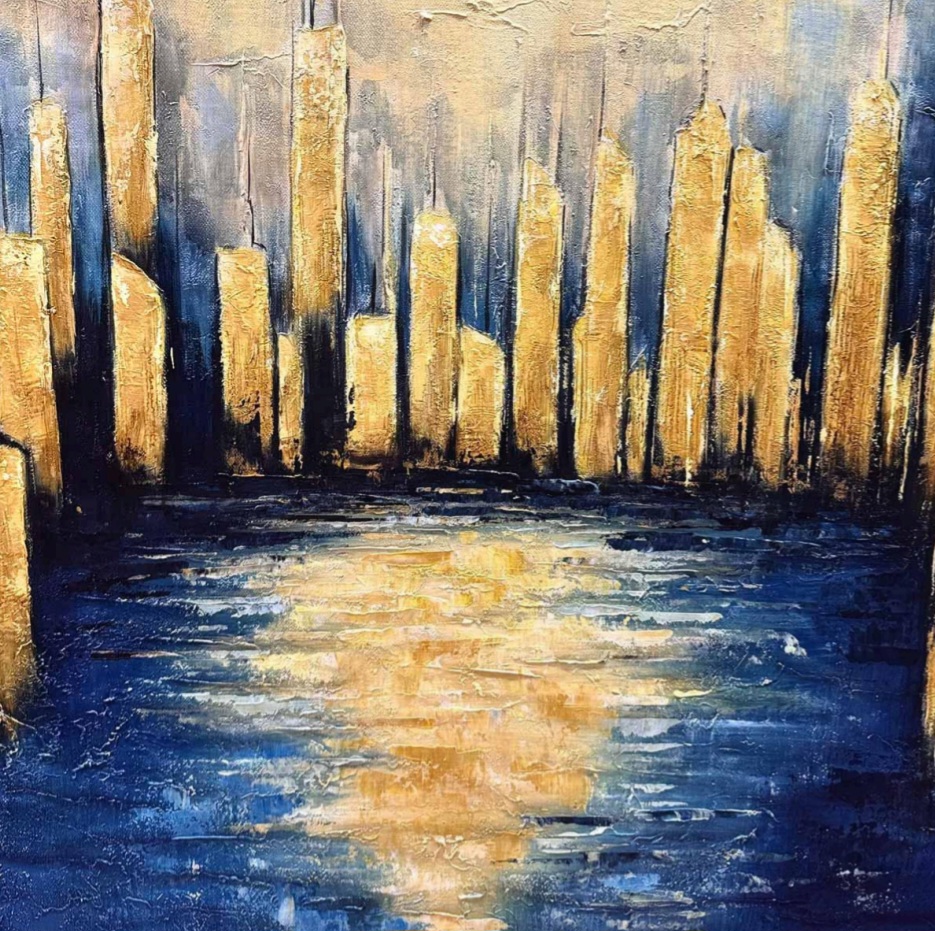
There is something undeniably captivating about an oil painting on canvas—the way light catches the texture of brushstrokes, the luminous depth of layered pigments, and the sense that you are witnessing a conversation between artist and material that has unfolded over hours, days, or even weeks.
For centuries, this medium has remained the gold standard of fine art, and owning an original piece connects you to a tradition stretching back to the Renaissance masters.
Yet for many art enthusiasts, the excitement of acquiring a painting is shadowed by genuine concerns. How do you know the materials will stand the test of time? Will the colors remain vibrant decades from now, or will they crack and fade? And perhaps most anxiety-inducing of all: how can a delicate, textured artwork survive the journey from a distant studio to your wall without damage? This guide addresses both sides of that equation. You will learn exactly what distinguishes a high-quality oil painting from a mediocre one, how to evaluate craftsmanship with confidence, and what concrete steps ensure your artwork arrives safely and remains protected for generations. Consider this your definitive roadmap from admiration to ownership.
Understanding the Foundation: What Makes a Quality Oil Painting?
The difference between a painting that endures for centuries and one that deteriorates within a decade comes down to materials. Understanding these fundamentals transforms you from a passive admirer into an informed collector who can recognize lasting value at a glance.
Paint quality represents the most critical variable. Artist-grade oil paints contain a high concentration of finely ground pigment suspended in quality linseed or walnut oil, resulting in rich, saturated color that maintains its intensity over time. Student-grade paints, by contrast, substitute cheaper fillers for pigment, producing colors that appear washed out and degrade faster when exposed to light. Lightfastness ratings—typically marked on tubes using ASTM standards—indicate how resistant a pigment is to fading. A knowledgeable artist selects pigments rated I or II, ensuring the painting you hang today looks essentially the same fifty years from now.
The canvas itself functions as the painting's skeleton. Linen, woven from flax fibers, offers superior strength, a finer weave, and natural resistance to decay, making it the preferred choice for museum-quality work. Cotton canvas is more affordable but stretches unevenly over time and is more susceptible to moisture damage. Regardless of fiber, the canvas weight matters—heavier fabric resists sagging—and proper priming with gesso creates an archival barrier between raw fibers and oil paint, preventing the oils from rotting the textile.
Behind the canvas, the stretcher bar frame provides structural integrity. Kiln-dried hardwood bars with corner keys allow for tension adjustment as the canvas naturally expands and contracts with humidity changes. Cheap softwood bars warp, creating visible distortions across the painted surface. Together, these three elements—professional pigments, quality canvas, and a sound stretcher—form the invisible architecture that gives an oil painting its luminous depth and ensures it remains a source of beauty rather than a conservation headache.
The Art of Impasto Floral Painting: A Case Study in Technique
Few techniques showcase the marriage of material quality and artistic skill quite like impasto—the method of applying paint so thickly that brushstrokes and palette knife marks stand in visible, sculptural relief from the canvas surface. When applied to floral subjects, impasto transforms petals into three-dimensional forms that seem to bloom outward from the painting, catching real light and casting tiny shadows that shift as you move around the room. A rose rendered in impasto is not merely depicted; it occupies physical space.
This technique demands exceptional materials. Thin, filler-heavy paints cannot hold their shape when applied in thick layers—they slump, crack, or develop an uneven skin that wrinkles as the paint beneath slowly cures. Artist-grade paints with high pigment density and quality binder maintain the precise texture the artist intended, holding peaks and ridges indefinitely. The canvas beneath must be equally robust. A loosely woven or poorly primed surface cannot support the weight of heavy paint accumulation without eventually sagging or allowing oil to seep through and weaken the fabric from behind. Tightly woven linen with multiple coats of quality gesso provides the rigid, sealed foundation that impasto work requires.
Collectors should also understand that impasto paintings have a longer curing timeline. While the surface may feel dry within days, thick applications of oil paint can take months or even years to cure fully through their entire depth. During this period, the painting remains slightly vulnerable to pressure and extreme temperature changes. A reputable artist or gallery will communicate this clearly, advising you on appropriate handling during the curing window so that the textural beauty you fell in love with remains intact for the lifetime of the work.

Evaluating Artwork Quality: A Buyer's Checklist
Knowing what constitutes quality materials is one thing; recognizing them in a finished painting requires a more practiced eye. Fortunately, a systematic approach turns even a first-time buyer into a discerning evaluator. Start with the painted surface itself. Examine the brushwork under good lighting—consistent, confident strokes suggest a trained hand, while hesitant or overworked areas often indicate an artist struggling with their medium. Colors should appear clean and intentional rather than muddy, which typically results from poor pigment quality or excessive mixing. Look for luminosity in the darks and richness in the highlights; these are hallmarks of professional-grade paint with genuine pigment density.
Next, turn the painting around. The back reveals more than most buyers realize. The canvas should be evenly stretched across the bars without ripples, puckers, or excessive slack. Run your fingers lightly across the surface—properly primed canvas feels smooth and uniform, not rough or patchy. The stretcher bars themselves should be clean, straight hardwood with wedges or keys in each corner joint, indicating the tension can be adjusted over time. Staples or tacks should be evenly spaced and driven cleanly into the wood without tearing the canvas edge.
Finally, consider provenance and documentation. A reputable artist provides a certificate of authenticity, often noting the materials used, the date of completion, and care instructions. Do not hesitate to ask the seller direct questions: What brand of paint was used? Is the canvas linen or cotton? Was the stretcher frame kiln-dried? A seller who cannot or will not answer these questions is a red flag. Transparency about materials is not a bonus—it is the baseline expectation when you are investing in artwork meant to last generations.
The Role of Customer Service in Your Art Buying Journey
A painting's quality exists independently of how it is sold, but your confidence in that quality depends entirely on the people standing behind it. In the art market, good customer service is not merely politeness—it is a form of expertise made accessible. A responsive seller who answers your questions about canvas type, pigment brands, and stretcher construction within hours rather than days demonstrates both knowledge and respect for your investment. Galleries specializing in oil paintings on canvas, such as MontCarta, understand that transparency is the cornerstone: a trustworthy gallery or artist openly shares material specifications, provides detailed photographs of the painting's back and edges, and offers condition reports without being asked.
Beyond the initial transaction, after-sales support distinguishes a professional operation from a casual one. Clear return policies protect you if the artwork does not match its description, while detailed care instructions help you preserve the piece long after it arrives. Look for sellers who proactively communicate shipping timelines, send tracking updates, and follow up after delivery to confirm the painting arrived in perfect condition. Before purchasing, evaluate the seller's reputation through reviews and direct communication. Send a few specific technical questions—ask about the gesso used, whether stretcher bars are kiln-dried, or how the painting was varnished. The speed, depth, and honesty of those answers tell you everything about whether this is a relationship built on trust or one you should walk away from.
Securing Your Investment: Shipping and Insurance Protocols
Even the finest painting becomes worthless if it arrives damaged, which is why shipping protocols deserve the same scrutiny you give to artistic quality. Professional art shipping is not a luxury—it is a necessity. A properly packed oil painting travels inside a rigid, custom-fitted crate with internal padding that isolates the work from vibration and impact. The painted surface never contacts any packing material directly; instead, glassine paper or acid-free tissue creates a protective barrier, while foam corner protectors and cardboard facing shields prevent pressure on the canvas. For impasto or heavily textured works, additional clearance between the surface and the crate wall is essential to avoid flattening raised brushwork. Climate considerations matter too—moisture barriers and silica gel packets protect against humidity fluctuations during transit, particularly for international shipments crossing multiple climate zones.
Shipping insurance is your financial safety net, and you should confirm its details before completing any purchase. Verify that the policy covers the full declared value of the artwork—not merely the shipping cost—and that it includes coverage for both transit damage and loss. Ask the seller explicitly whether insurance is included or must be purchased separately, and request written confirmation of the coverage amount. Before the painting ships, document its condition thoroughly: request high-resolution photographs of the front, back, edges, and any textural details, timestamped and stored securely. Upon arrival, photograph the exterior packaging before opening, then unpack carefully in a clean, well-lit space, inspecting every surface immediately. If you discover any damage—dents in the crate, scratches on the surface, cracked paint—document it with photographs and contact both the seller and the shipping carrier within twenty-four hours. Most insurance claims require prompt reporting and photographic evidence, so acting quickly protects your ability to recover the full value of your investment.
Building a Collection with Confidence and Care
Owning an oil painting on canvas is ultimately an act of trust—trust in the artist's skill, in the integrity of materials, and in the systems that deliver a fragile, irreplaceable object safely into your hands. The two pillars of a confident purchase are now clear to you: understanding what constitutes genuine quality beneath the painted surface, and insisting on rigorous safety protocols that protect your investment during its most vulnerable moments in transit.
These pillars work together. A painting crafted with artist-grade pigments on properly primed linen, stretched over kiln-dried bars, represents decades of visual pleasure—but only if it arrives undamaged and is cared for properly afterward. Use the evaluation checklist to assess every potential purchase with clear eyes rather than wishful thinking. Ask the uncomfortable questions about materials, demand transparency about shipping methods, and verify insurance coverage before any money changes hands. The sellers who welcome this scrutiny are the ones who deserve your business.
Armed with this knowledge, you are no longer simply buying a painting. You are curating a collection built on informed decisions, preserving beauty that will outlast you and speak to generations who have not yet been born. That is the true reward of doing this well.