
Natural History Museum is the most visited Attraction in the UK
The Association of Leading Visitor Attractions (ALVA) has released the visitor figures of its members for 2025 during English Tourism Week and Scottish Tourism Month.
The total number of visits to 409 ALVA sites in 2025 was 165 million, which was a 2% increase on the previous year but still represented a decline of 7% on the 170 million visits in 2019 to the top ALVA sites.
Mixed sites that are a combination of both indoor and outdoor elements saw the biggest increase of 2.5% in visitors compared to a 2% increase in Outdoor attractions. In addition, 231 sites highlighted that they welcomed at least 46.3million visits in 2025 where the visitor was from overseas.
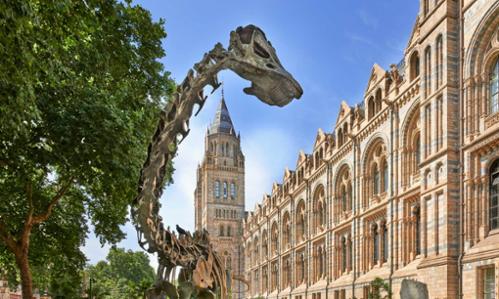
The most-visited attraction in the UK for the first time was the Natural History Museum (South Kensington) – who experienced an 13% increase in visitors to 7,116,929, which is an all-time record for any UK museum or gallery. In second place was the British Museum with 6,440,120 visitors; in 3rd place and the most visited outdoor attraction was Windsor Great Park (The Crown Estate) which welcomed 4,978,299 visitors, and in 4th place was Tate Modern with 4,514,266 visits. The top Paid for Attraction was the Tower of London in 9th place with 2,817,852 visitors.
Natural History Museum Director Dr Doug Gurr said: “We are thrilled to be the UK’s most popular visitor attraction, smashing all previous records for the sector! These exceptional results reflect our unwavering focus on delivering a fantastic day out for every visitor, as well as the dedication of our colleagues who work tirelessly to create unforgettable experiences and world-class exhibitions.
“We should all take heart from these figures. Welcoming 7.1 million visitors demonstrates the enormous public appetite to engage with the wonders of the natural world and UK cultural attractions. That’s why we are committed to creating more space to welcome visitors through our NHM150 campaign - opening a brand-new or revitalised permanent gallery every year until our 150th anniversary in 2031.”
The typical attraction in Scotland saw a 2.6% increase and Wales saw a 0.9% increase. The region of England outside London with the biggest year-on-year growth was the North West which was up 11.3%, followed by East Midlands, which was up 7.5%.
Notable percentage increases in London included the National Gallery which saw the re-opening of Sainsbury Wing; the end of NG200 bicentenary year and a re-hang of the collection and moved up 2 places to 5th place, following a 29% increase with 4,147,544 visitors, while V&A East Storehouse welcomed 416,300 visitors, in less than 7 months, after opening at the end of May and exceeding their visitor targets for the year (107th place). , while UK Parliament saw a 47% increase and rose 21 places to 45th position after welcoming 823,258 visitors. The Royal Academy of Arts had their most successful Summer Exhibition since Covid, which resulted in a 20% increase to 746,420 visits and it moved up 8 places to 53rd.
The Southbank Centre welcomed 3,423,648 people to their concert halls, galleries and indoor spaces, (6th place) however a total of 11.6million visited its 11-acre site, and the Royal Albert Hall saw 1,719,156 visitors in a year when they sold the most tickets of any concert venue in the UK and hosted the Grand Sumo Tournament (17th). London Transport Museum experienced a record-breaking year with 449,599 visitors (97th place), its highest annual total since its opening in 1980 and up 6% on 2024.
Halloween and Christmas appeared to be a hook for visitors with the Eden Project welcoming 679,076 visitors; while English Heritage’s Kenwood House saw a 27% increase in visitor numbers which they attributed to their Heiress: Sargent’s American Portraits exhibition as well as Halloween and Neverland events. Various other country houses attracted a lot of attention by dressing their houses for Christmas and Chatsworth, for example, saw 679,232 visitors and a 7% increase, while Blenheim Palace saw 969,323 visits.
In Scotland, the most-visited free attraction continued to be the National Museum of Scotland, which saw 2,318,305 visits and moved to 12th place followed by Edinburgh Castle which continued to be the most visited paid for attraction in Scotland with a 3% increase in visitors to 2,044,963 (15th place). National Galleries Scotland: National welcomed 2,004,777 visitors (16th place) and Kelvingrove Art Gallery and Museum saw a 3% increase to 1,219,831 and moved up one place to 26th followed by Riverside Museum with 1,212,151 visitors (28th).
In Northern Ireland, Titanic Belfast continued to be the most-visited attraction with an 8% increase to 953,554 visitors and remaining in 35th place – with 15,000 visitors in just three months coming to view its free exhibition celebrating the work of Lucian Freud that ran in collaboration with the V&A. Giants Causeway (National Trust) saw 678,233 visitors and HMS Caroline (National Museum of the Royal Navy) saw the largest percentage increase of 74% to 8,888 visitors and Hillsborough Castle (Historic Royal Palaces) saw a 17% increase with 129,021 visitors (234th place)
In Wales, Amgueddfa Cymru’s museums once again proved popular. The most visited attraction was St Fagans National Museum of History with 570,207 visits (77th place). It was followed by National Museum Cardiff with 356,021 visits (124th place), while the highest percentage increase was the National Wool Museum in Carmarthenshire which saw 22% more visitors (24,915/ 343rd). This was followed by WWT Llanelli which had a 4% increase to 63,930 visitors (291st place).
Outside London, the most popular English attraction, after Windsor Great Park was Windsor Castle in 23rd place with 1,259,964 visitors and one place below was RHS Garden Wisley which attracted 1,255,706 visitors (24th) followed closely by Stonehenge (English Heritage) with 1,253,405 visitors (25th). New ALVA member, Sainsbury Centre in Norwich achieved a place in the top 30 with 1,162,650.
Some of the largest increases in visitors in England were at the National Science and Media Museum in Bradford which moved up 181 places to 192nd with 219,867 visitors. This is attributed to the museum reopening in January 2025 following an 18-month closure for major redevelopment, including the launch of the permanent Sound and Vision galleries in July, as well as hosting several special events and exhibitions to celebrate Bradford being UK City of Culture 2025. Following reopening in October 2024 after a period of closure for essential maintenance, Birmingham Museum and Art Gallery saw a 305% increase to 672,391 visitors and a move of 146 places to 62nd. In the North East, Beamish was the most visited attraction with 815,075 visitors, while English Heritage’s Tynemouth Priory and Castle saw an increase of 73% with 52,028 visitors, which was due to the Mouth of the Tyne Festival; Forestry England Hamsterley (Bishop Auckland) attracted 241,696 visitors and saw a 37% increase and Locomotion, celebrated the 200th anniversary of the Stockton and Darlington Railway and the site’s pivotal role in railway history, resulting in a 33% increase in visitors to 218,907. The University of Cambridge’s University Museum of Zoology had an increase of 66% to 260,846 visitors – moving up 52 places (161st place) and two museums in the North West: Walker Art Gallery in Liverpool saw a 47% increase to 258,222 visitors (163rd), while Lady Lever Art Gallery on the Wirral rose 15 places to 202nd place after 205,355 visits. Leeds City Museum saw a 25% rise in visitors due to their successful exhibition celebrating Miffy's 70th anniversary created by Dutch artist Dick Bruna.
Bernard Donoghue OBE, Director of ALVA, added: “Visitor attractions are the places that people prize most and provide the experiences that people, even in a cost-of-living crisis, are most loathe to give up. Our visitors want to spend special time, with special people in special places.”
He continues: “In a time of unpredictable futures, uncertain economics, global insecurities, economic challenges, and an ongoing cost-of-living crisis, the UK public are more tactical than ever in deciding how they spend their leisure pounds and their leisure hours. Their expectations of a great visit are higher now than they have ever been. The day trip to an attraction now competes within the family budget with free things to do, as well as subscriptions to streaming channels. The competition has never been greater, the choice never so broad.”
He finishes: “2025 was financially the toughest since the pandemic and many of our members have had to undergo restructuring after the increase in employers' National Insurance contributions, lowering of the NI thresholds, and the above inflation increases in the national minimum wage, implemented in April 2025, alongside the pressures of the ongoing cost-of-living crisis.”