
Madrid loses the Right to use Robert Capa’s Name for New Cultural Center
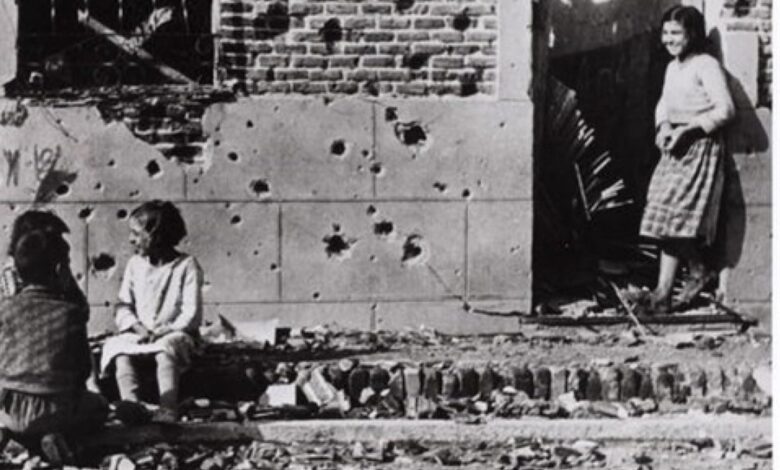
Madrid authorities will no longer be able to use Robert Capa’s name for a cultural center.
This decision comes after a change in the project’s concept and local residents’ protests. The move could affect the preservation of historical memory in Spain.
The situation regarding the future cultural center on Peironcely Street, 10 in Madrid has become a hot topic for the city’s residents. The issue concerns not only the fate of a historic building, but also how Spain will remember the events of the Civil War. The Robert Capa Foundation’s decision to prohibit the use of the famous photographer’s name for a new municipal project has sparked widespread debate and cast doubt on the city’s plans.
According to El Pais, the International Center of Photography (ICP) in New York, which manages Robert Capa’s legacy, sent an official letter to Madrid’s city hall. The organization categorically refused to allow the use of Capa’s name, image or photographs for any project related to Peironcely, 10, unless it is carried out in full agreement with the #SalvaPeironcely10 platform. The reason cited was a change in concept: instead of a center dedicated to studying the bombings of Madrid and Capa’s role in covering the war, the authorities decided to create a space for young people facing difficult life situations.
Earlier, the city council announced the opening of the Robert Capa Experimental Culture Center, intended as a venue for creative activities, theater, music, and literature. The Fundación José María de Llanos was slated to manage the program. However, this approach sparked strong dissatisfaction among activists who had spent years fighting to preserve the house where one of the most iconic Civil War photographs—published in The New York Times—was taken. They believe handing the building over to another organization undermines decades of work to create a memorial center and distorts the historical significance of the site.
Protests against the city council’s decision united not only the #SalvaPeironcely10 platform but also the Federation of Madrid Neighborhood Associations (FRAVM), along with several Vallecas district organizations. They argue that the new project fails to reflect the historical importance of the house and overlooks the contributions of local residents and researchers. In addition, international organizations joined the criticism: Germany’s Capa Haus Initiative from Leipzig expressed regret over the lost opportunity to create an international cultural dialogue between two commemorative buildings associated with Capa’s name.
A letter from Germany points out that only the #SalvaPeironcely10 platform is capable of delivering the project at the proper level, and that the house at Peironcely 10 could become a symbol of peace and remembrance. European partners emphasize that the decision by Madrid authorities destroys a unique opportunity for the city to join an international network of cultural initiatives linked to 20th-century history.
Despite protests, city authorities are moving forward with preparations to launch a new center. According to city hall representatives, the project is aimed at local youth and will offer workshops in painting, theater, music, and literature. The 400-square-meter center is expected to open in 2028 after the completion of necessary studies and restoration work. More than one million euros are earmarked for renovating the building, which is currently in a state of disrepair.
At the same time, the Ministry of Territorial Policy and Democratic Memory previously began the process of recognizing the house as a site of historical memory, but no final decision has been made so far. Now, the fate of the building hinges on whether a compromise can be reached between the city, foundations, and public organizations.
In a last-ditch effort to change the course of events, the International Center of Photography (ICP) appealed to city hall to reconsider its plans and relocate the youth project to another municipal facility. The organization insists on honoring the decade-long consensus to preserve the historical memory of Madrid and the global community. According to El Pais, ICP emphasizes that any attempt to associate Robert Capa’s name with the new project without the approval of the #SalvaPeironcely10 platform will not receive international support or legitimacy.
In recent years, Spain has repeatedly seen debates over the preservation of sites linked to the Civil War and 20th-century history. For example, in Barcelona and other cities, there have been discussions about establishing memory museums and restoring buildings where significant events took place. Such initiatives often encounter disagreements among authorities, public organizations, and international foundations. These conflicts highlight how contentious the issue of preserving historical heritage remains in Spanish society and the important role of civic initiatives in this process.