
Iraq’s Ancient Tigris River could Disappear
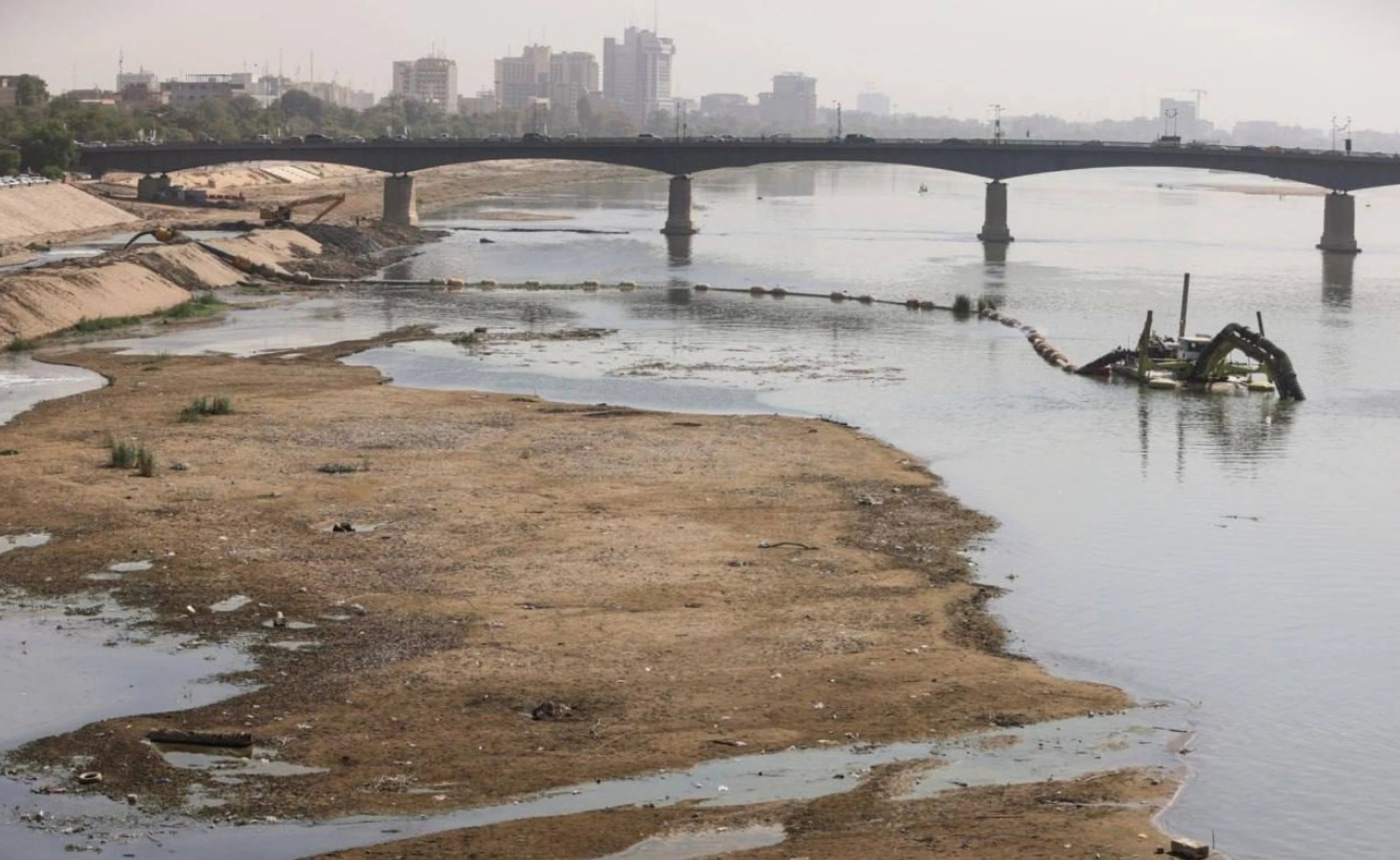
Iraq’s Tigris River, the lifeline of one of the world’s oldest civilizations, is facing an existential threat from pollution, upstream damming and climate change, raising alarm for communities, farmers and religious minorities who depend on its waters.
Along the river’s southern banks in the city of Amarah, Sheikh Nidham Kreidi al-Sabahi, a senior leader of the Mandaean faith, says the river is inseparable from life itself. Mandaeans, followers of one of the world’s oldest gnostic religions, require flowing river water for all major rituals, from birth and marriage to death.
“No water, no life,” he says, warning that a dying Tigris could spell the end of the community’s presence in southern Iraq.
Once a pillar of the ancient Fertile Crescent, the Tigris now suffers from decades of neglect and damage. Iraq’s water infrastructure was severely hit during the 1991 Persian Gulf War, and years of sanctions and conflict have prevented full recovery.
Today, only about 30% of urban households are connected to sewage treatment plants, a figure that drops below 2% in rural areas, allowing untreated waste to flow directly into rivers.
Pollution from agriculture, industry, oil operations and medical waste has further degraded water quality. Studies have rated sections of the Tigris in Baghdad as “poor” or “very poor,” while in 2018 more than 100,000 people in Basra were hospitalized after consuming contaminated water.
Water quantity has also sharply declined. Turkey’s construction of major dams has reduced water reaching Baghdad by about one-third over the past three decades, while Iran has diverted tributaries feeding the Tigris.
Inside Iraq, inefficient irrigation consumes around 85% of surface water. Climate change has compounded the crisis, with rainfall down roughly 30% and the country enduring its worst drought in nearly a century. In recent months, water levels fell so low that parts of the river could be crossed on foot.
The crisis is threatening food security. Wheat farmers such as Ma’an al-Fatlawi near Najaf have cut cultivation sharply as irrigation water is rationed. The UN Food and Agriculture Organization says Iraq’s water reserves have plunged from 60 billion cubic meters in 2020 to less than 4 billion, with wheat production expected to fall by up to 50%.
Baghdad has sought cooperation with Ankara, signing a recent framework aimed at reducing pollution and improving irrigation, though critics say it lacks binding guarantees. Authorities have also restricted water-intensive crops and mandated modern irrigation methods.
For communities like the Mandaeans, whose numbers in Iraq have already fallen below 10,000, the stakes are existential. As Sheikh Nidham warns, without a flowing Tigris, centuries of faith, culture and livelihoods along its banks could vanish.
Main Image: Tigris river in Baghdad