
Hundreds More Rare Images now Available through ‘Picturing Lincoln’ Project
Hundreds of rare posters and prints related to Abraham Lincoln and the Civil War are now available online to the public, thanks to the Picturing Lincoln project from the Abraham Lincoln Presidential Library and Museum.
People around the world can explore high-resolution images such as a Southern newspaper declaring the end of the United States, promotional posters about Army units, posters announcing rewards for freedom-seeking enslaved people and a “death certificate” for the Confederacy.
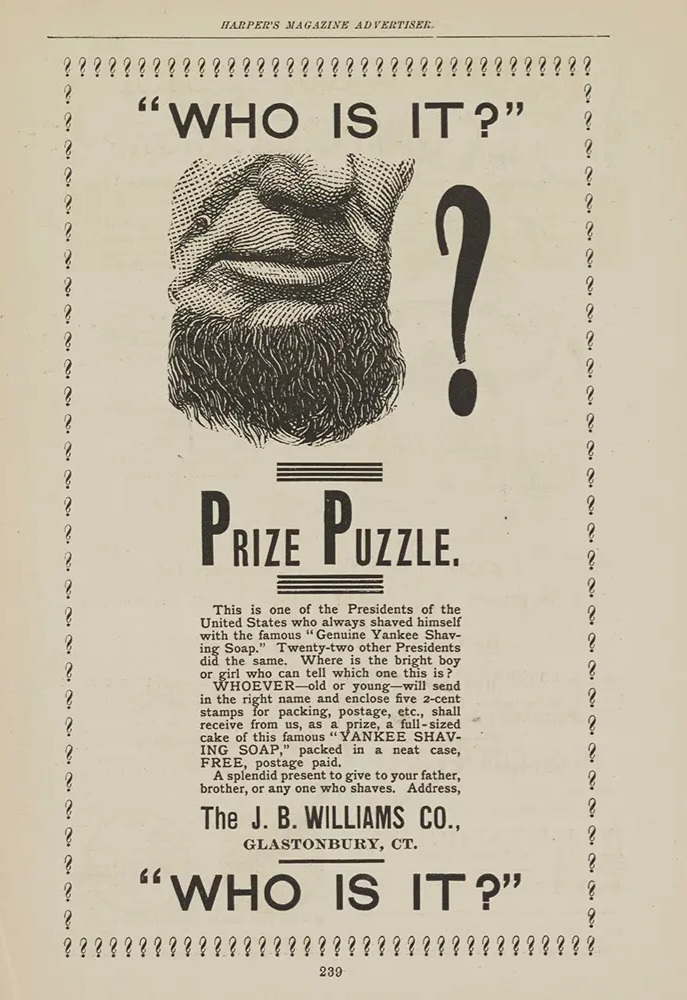
As for Lincoln himself, the collection includes his greatest speech in multiple languages, poems and stories about him, programs from Ford’s Theatre on the night of his assassination and a schedule for the train that carried his body home to Springfield. There are also oddities like a Lincoln-themed ad for soap and a political poster decrying Lincoln’s “tyranny.”
The collection, hosted by the Secretary of State’s Illinois Digital Archives, can be found at www.PresidentLincoln.Illinois.gov/PicturingLincoln.
“These images offer an incredible look at the America of the 1860s,” said Christina Shutt, executive director of the Abraham Lincoln Presidential Library and Museum. “A nation honoring its military, a nation holding elections while at war, a nation mourning its lost leader – all that and more can be found here.”
The presidential library’s audiovisual team uploaded 882 “broadsides” – generally meaning posters, handbills and other items with printing on just one side – to Picturing Lincoln in this latest round of additions. That brings the total number of images to 2,367. The Picturing Lincoln project was made possible by a $100,000 grant funded through the Illinois State Library.
“This latest addition to Picturing Lincoln represents many hours of digitizing the original material and preparing the resulting files so they can be accessed by anyone visiting the project website,” said Frederik Heller, the ALPLM’s director of library services. “Most broadside materials were intended to be discarded after they had served their purpose, so the collection offers viewers a chance to spend some time with hundreds of items that they might not find elsewhere.”