
Framing Art with Architecture: How Curved Windows Turn Your Home into a Gallery
Artistic home décor is experiencing a powerful resurgence. As explored in our article Why Artistic Home Decor Is Making a Stunning Comeback in Modern Homes, homeowners are moving away from purely functional interiors and embracing spaces that reflect personality, creativity, and emotional connection.
This renewed focus on artistic expression signals a shift toward interiors that tell stories—spaces that feel curated rather than simply decorated. Instead of treating art as an afterthought, it is becoming central to how homes are designed and experienced.
Within this movement, architecture itself is taking on a more creative role. Curved windows, in particular, are emerging as a striking feature that blurs the line between structure and art. They don’t just allow light into a space—they frame views, guide perspective, and transform both interior and exterior elements into part of a living composition.
What Is Artistic Home Décor?
Artistic home décor goes beyond placing a few paintings on the wall. It is about creating an environment where art is woven into the very fabric of the space. According to BBC Culture, transforming a home with art involves thoughtful curation—selecting pieces, arranging them intentionally, and considering how they interact with light, color, and architecture.
This approach treats the home as a gallery, where every element contributes to a cohesive visual experience. Furniture, textures, and architectural features all play a role in shaping the overall composition. The goal is not perfection, but expression—creating spaces that feel personal, layered, and visually engaging.
Curved windows fit naturally into this philosophy. They are not just functional features; they are design elements that influence how art is displayed, viewed, and experienced.
The Art Behind Curved Windows Creating curved windows is itself an artistic process.
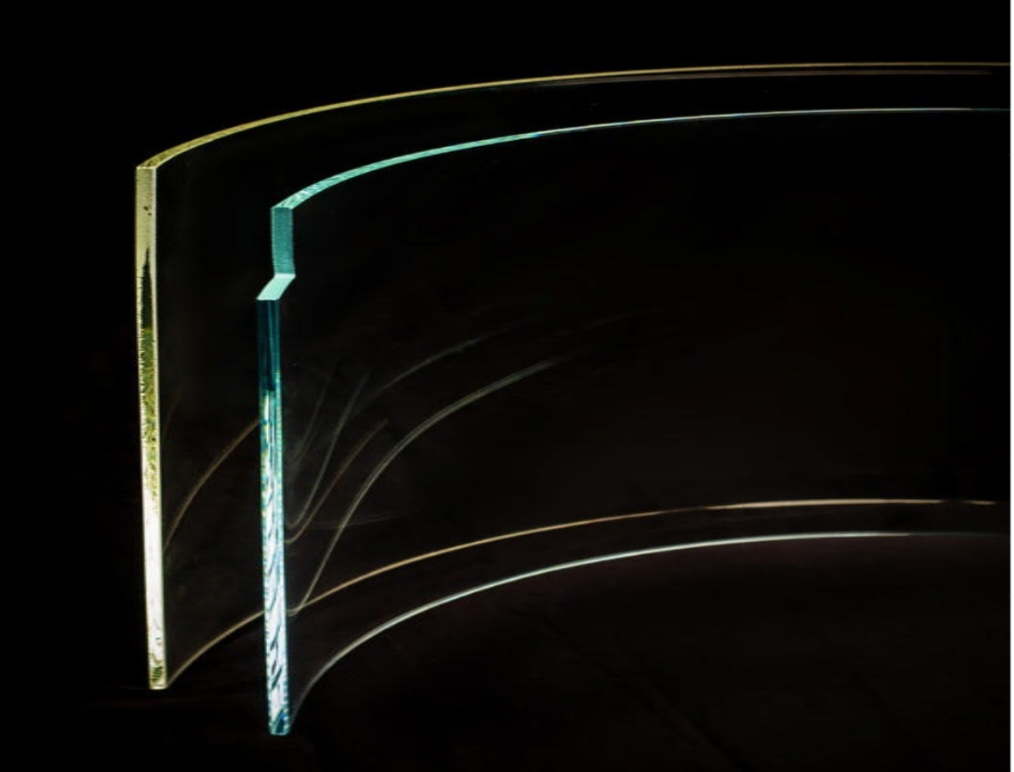
Unlike standard flat panes, curved glass requires precision, craftsmanship, and a deep understanding of form. Each piece must be carefully shaped, often through a process of heating and molding, to achieve the desired curve without compromising strength or clarity. But beyond the technical skill, there is an artistic sensibility at play. The curvature must align with the architecture, complement the surrounding space, and enhance the overall aesthetic. As a result, Flickinger Glassworks details how artisans are not just skilled glassworkers; they are artists who understand the nuances of design, balance, and aesthetics. This combination of craftsmanship and creativity allows curved windows to become more than structural elements—they become sculptural features that contribute to the visual language of the home.
Framing the Outdoors as Living Art
One of the most compelling aspects of curved windows is their ability to frame the outside world as if it were a piece of art. A garden, a skyline, or even a simple stretch of greenery becomes a dynamic composition, constantly changing with the light, weather, and seasons.
Unlike traditional rectangular windows, curved glazing expands the field of view and softens its edges. This creates a more immersive experience, where the boundary between inside and outside feels less defined. The view is no longer just something
to look at—it becomes part of the room itself.
A carefully placed curved window can highlight a particular feature, such as a tree, a sculpture, or a distant horizon. By framing these elements intentionally, the window transforms them into focal points, much like a painting within a gallery.
Harmonizing Art and Architecture
Curved windows also influence how interior artwork is displayed. Their shape can guide placement, encouraging arrangements that feel more fluid and organic.
For example, artwork positioned near a curved window can echo its lines, creating a sense of harmony between the two. Sculptural pieces, in particular, benefit from this relationship, as their forms can interact with both the light and the curvature of the glass.
The goal is to create a dialogue between the interior and exterior. The artwork inside should feel connected to the view outside, with the window acting as a bridge between the two. This approach creates a cohesive visual experience, where every element feels intentional and interconnected.
Guiding the Eye Through Curves
Curved forms naturally guide the eye, creating a smooth and intuitive visual flow. Rather than abrupt direction, they encourage gentle movement through a space. Research from PubMed Central shows people tend to prefer curved shapes, associating them with comfort and safety, while sharp angles can feel more rigid. As a result, curved elements like windows create a more relaxed atmosphere and subtly draw attention to key focal points.
Unlike straight lines, which can feel rigid and directional, curves create a sense of movement. They lead the viewer gently from one point to another, encouraging exploration.
In an artistic interior, this quality is invaluable. A curved window can draw attention to a particular area, highlight a piece of art, or create a natural flow through the space. It helps establish a rhythm, making the room feel more dynamic and engaging.
This sense of movement also enhances composition. By breaking away from rigid geometry, curved elements introduce a softness that balances more structured features. The result is a space that feels both composed and relaxed.
Using Light as a Spotlight
Light plays a crucial role in how art is perceived, and curved windows can transform the way light interacts with a space. Their shape allows light to enter from multiple angles, creating a more even and diffused illumination.
Natural light acts as a dynamic spotlight, enhancing textures, colors, and fine details within a space. As highlighted in The Role of Natural Light in Interior Design, it not only improves visual clarity but also elevates mood and spatial perception, making rooms feel more open and inviting. As the day progresses, the shifting quality of natural light subtly transforms both the artwork and the surrounding environment, creating an
ever-changing visual experience.
This dynamic quality brings a sense of life to the interior. Unlike artificial lighting, which remains constant, natural light creates variation and depth, enhancing the overall artistic experience.
Balancing Minimalism and Statement Features
One of the challenges of artistic home décor is finding the right balance between simplicity and expression. Too many elements can feel cluttered, while too few can lack impact.
Curved windows offer a solution by acting as statement features in their own right. Their sculptural form can anchor a space, allowing other elements to remain more understated. This creates a balance where the architecture provides visual interest,
while the décor complements it.
In minimalist interiors, a single curved window can become the focal point, drawing attention without the need for excessive decoration. In more eclectic spaces, it can serve as a unifying element, tying together diverse styles and influences.
A Living Gallery
Ultimately, curved windows redefine what it means to design with art in mind. They transform the home into a living gallery—one where the architecture, the décor, and the
surrounding environment all contribute to a unified experience.
By framing views, guiding the eye, and enhancing light, they elevate everyday spaces into something more expressive and immersive. They encourage a more thoughtful approach to design, where every element is considered not just for its function, but for its visual and emotional impact.
In doing so, they remind us that art is not confined to frames on a wall. It can be found in the way light enters a room, the curve of a window, and the connection between inside and out.
Bringing Art Into Everyday Living
As artistic home décor continues to gain momentum, the role of architecture will only become more significant. Features like curved windows demonstrate how design can move beyond practicality to become part of the artistic experience itself.
For homeowners, this opens up new possibilities. It’s no longer just about choosing the right artwork—it’s about creating a space where art is integrated into every aspect of the design.
Curved windows offer a simple yet powerful way to achieve this. By turning views into compositions and light into a medium, they allow the home to function as both a living space and a work of art—blurring the line between the two in the most beautiful way. Read our other articles on ArtDependence for more on the latest art trends.