
Boycott calls follow Israel's Entry into Venice Biennale 2026
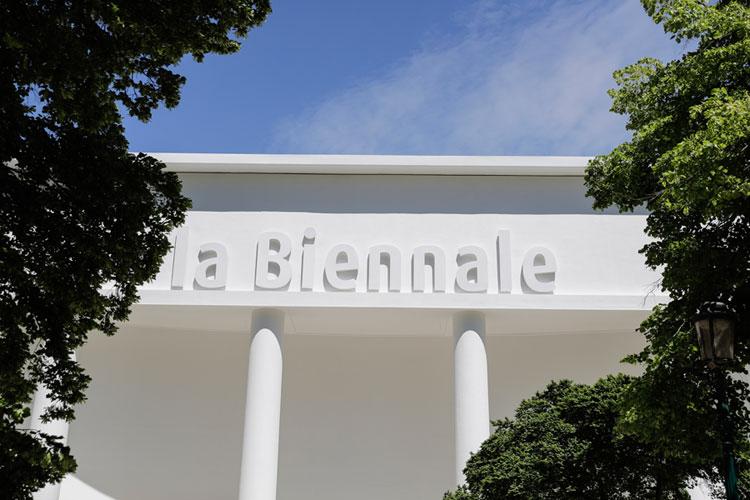
Israel's participation at the 2026 Venice Biennale has reignited calls for a boycott, two years after Israel's pavilion was closed due to protests.
The Israeli culture ministry has not yet officially announced its pavilion for this year, the sculptor representing the country, Belu-Simion Fainaru, told ARTnews that he is welcoming the opportunity.
The Haifa-based artist said his installation will not be on show at Israel's dedicated site in the Giardini because it is undergoing renovation. Instead it will be staged in the Arsenale.
The news has drawn sharp criticism from the Art Not Genocide Alliance, an artist-led collective that helped organise protests during the 2024 Venice Biennale.
In a statement shared on its Instagram account, the group has renewed its demand for Israel’s exclusion, declaring: “No genocide pavilion at the Venice Biennale 2026.”
“After more than 700 days of genocide and 77 years of occupation, apartheid and ethnic cleansing, the Biennale’s decision to provide a platform to a state engaged in these atrocities cannot be tolerated,” the statement said.
Fainaru is opposed to a boycott. “Art is a place for dialogue, not for exclusion,” he told ARTnews. He said his installation is intended as a “vision of hope and human feeling, the total opposite of boycott and exclusion, giving space to everybody”.
Fainaru's pavilion, titled Rose of Nothingness, will centre on a large-scale installation inspired by poet Paul Celan’s notion of “black milk”. The work will feature 16 pipes dripping black water into a pool, with the number referencing transformation in Kabbalah, the Jewish mystical tradition.