
Beyond Art Market: Elizaveta and Alevtina Andreeva on Building Foundation Eleutheria
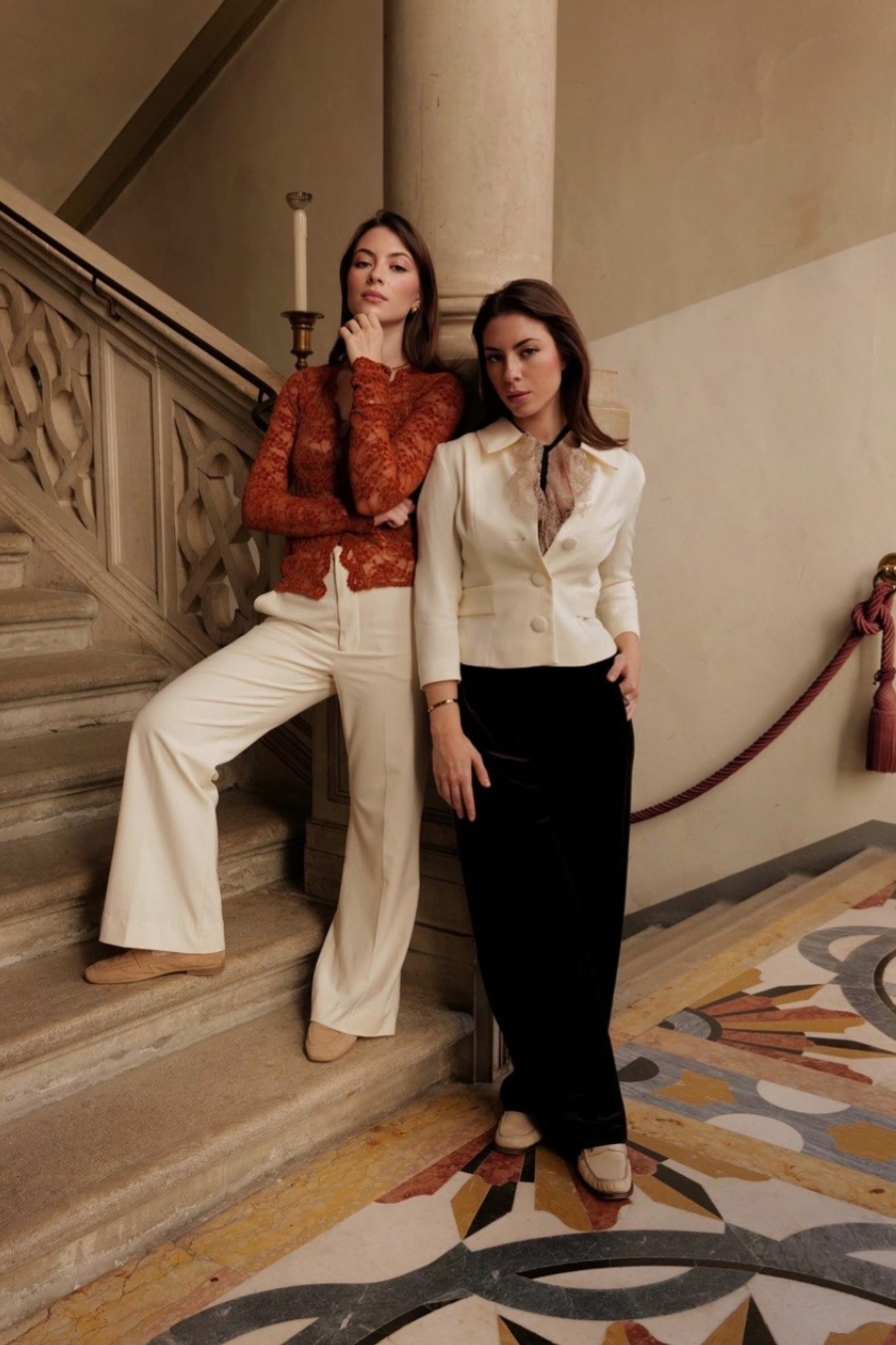
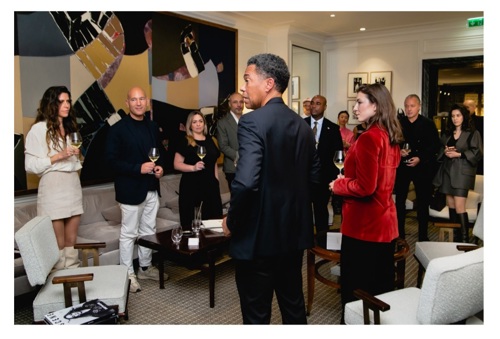
In October, during Art Basel Paris week, they launched the Foundation Eleutheria at J.K. Place Paris in partnership with Leslie C. Bethel. Alevtina became the foundation’s General Director and Elizaveta its Founding Art Advisor. For the first programme, they invited Xiyao Wang, shown with MASSIMODECARLO, Gioele Amaro, with Almine Rech, and Li Ramet, an artist ALEZ has supported for years.
We spoke with Elizaveta and Alevtina about what an art advisor’s job is about, why an art fair is the worst place to make a quick decision, and how a foundation plans to settle on a Caribbean island.
How did ALEZ Art Advisory start, and how do you split the roles between you?
ALEZ grew out of everything we learned working with contemporary art institutions in Russia, Italy, and France: galleries, artists, and collectors, from both the commercial and institutional sides. As sisters, we had always wanted to build something together, and when the right moment came, the advisory was the natural form for it. Today we both advise collectors on acquisitions and beyond. We also help young galleries build solid artist programmes and support cultural institutions. Elizaveta is based in Milan and Alevtina in Paris. Our roles are very similar: we divide them by project rether than by function, so each of us leads where her network and expertise make more sense.
“Art advisor” can mean very different things, from helping a first-time buyer to managing a large collection. What does the job look like at ALEZ day-to-day?
It really depends on the request, and we adapt our approach to each one. Many of our collectors came to us without knowing what an art advisor does or how the relationship works. We often start with the first acquisition, and over time it becomes a long-term relationship: building a collection with a clear direction, not a series of isolated purchases. We also work a lot with artists through portfolio reviews and advice on how to position their client, talking to galleries, visiting studios and preparing an exhibition, all at once.
What mistake do new collectors make most often?
Perhaps rushing. For example, fairs create a lot of pressure: limited time, works marked as reserved within the first hour, the feeling that if you don’t decide now, the opportunity is gone. Many collectors buy in that moment and only later realise the work doesn’t really fit their collection or their taste. Another common mistake is chasing a relationship with a particular gallery. Collectors sometimes buy a piece they are not convinced by just to get on a gallery's list, hoping it will give them some access to a more sought-after artist later. In both cases, the decision is driven by the situation rather than the work itself.
How did the idea of Foundation Eleutheria grow out of your work with ALEZ?
It began with Leslie C. Bethel, a businessman we work with. He wanted to create an art foundation connected to The Bahamas, where he is from. The more we talked, the clearer it became that the idea went beyond a private collection: a foundation that could give something back to a specific community and build a real cultural bridge between the Caribbean and Europe. Our work at ALEZ had prepared us for exactly that, combining collecting, artist support and institutional thinking. The foundation is built on three principles: independence from any single market or patron, a permanent collection, and a direct connection to its community of origin. Its name, from the Greek word for freedom, sums up that spirit.
Foundation Eleutheria connects Paris and The Bahamas. Where does the link with The Bahamas come from, and what does it bring to the programme?
The link is deeply personal for our founder and chairperson, Leslie C. Bethel. Leslie is a Bahamian businessman, and his family’s roots in Eleutheria go back generations. He has lived and worked in the United States and Europe and now calls Paris home. For him, the foundation is a way to bring together the places that have shaped and inspired him. The Bahamas brings its own artistic voices, its cultural heritage and a particularly close relationship with nature. Through Eleutheria, we want to give those voices greater international visibility and create opportunities for artists from different cultures to learn from one another. Leslie also wanted this exchange to bring lasting benefits to local communities, especially young people, and that is at the heart of the programme.
For the first programme, in Paris, you brought together MASSIMO DE CARLO and artist Xiyao Wang, ALMINE RECH and artist Gioele Amaro and Li Tamet. How did you choose these three artists, and what links them?
Each choice came from a long relationship rather than a single moment. We have followed Xiyao Wang’s work for years. She is an extraordinary, powerful artist, and the energy and freedom of her gesture made her feel essential for a foundation named after freedom. With Gioele Amaro, we were drawn to the way his painting slows down perception and asks the viewer to really look. We greatly appreciate working with both MASSIMO DE CARLO and ALMINE RECH, and these collaborations grew naturally from relationships of trust. Li Ramet is an artist we have supported for a long time. She is a part of our own story, and it felt right for her to be part of this beginning. What links the three is an independent artistic language: each has built a practice on their own terms, which is exactly what the foundation wants to stand for.
What can an independent foundation do for artists that a gallery or a museum can’t?
We see our role as complementary. Galleries and museums are essential, and collaborating with them is central to our approach. The partnerships with MASSIMO DE CARLO and ALMINE RECH for our first programme are a good example.
What an independent foundation can offer is flexibility: time to experiment, the chance to work across disciplines, and relationships with communities beyond the usual exhibition setting. We can support an artist’s research, a residency or an educational project without requiring an immediate exhibition or sale.
For Eleutheria, that means giving artists space to develop their ideas, encounter a different environment and build meaningful connections with people and place.
What comes next after Paris, and what is the first project you are working on in The Bahamas?
Paris was our introduction. Alongside our continuing collaborations with international galleries and artists, the next priority is to develop the Foundation’s programme in Eleutheria. We are in the very early stages of working with design teams on a future permanent home for the Foundation. It will be a place to exhibit artworks, host residencies for young and emerging artists, and welcome the community. We also plan to commission installations for sculpture gardens, so that artists can respond to the island’s landscape and tropical environment. Local artists, educators and community partners will play an important role in this work.
Among the first initiatives, we are developing a programme that connects art, young people and the marine environment through creative workshops and cultural exchange. We are also exploring a collaboration focused on juvenile sea turtles, marine conservation and education. These discussions are still developing, and we want local and international partners to help shape the programme before we announce the details.
Paris is not the final destination in Europe either. We want to work actively with Italy and other European countries, and our next event may well take place in Miami, a city Leslie knows well. Our ambition is to create something rooted in Eleuthera, with an international outlook and a lasting role in the life of the island.