
3,000-Year-Old Tomb Discovered in Egypt
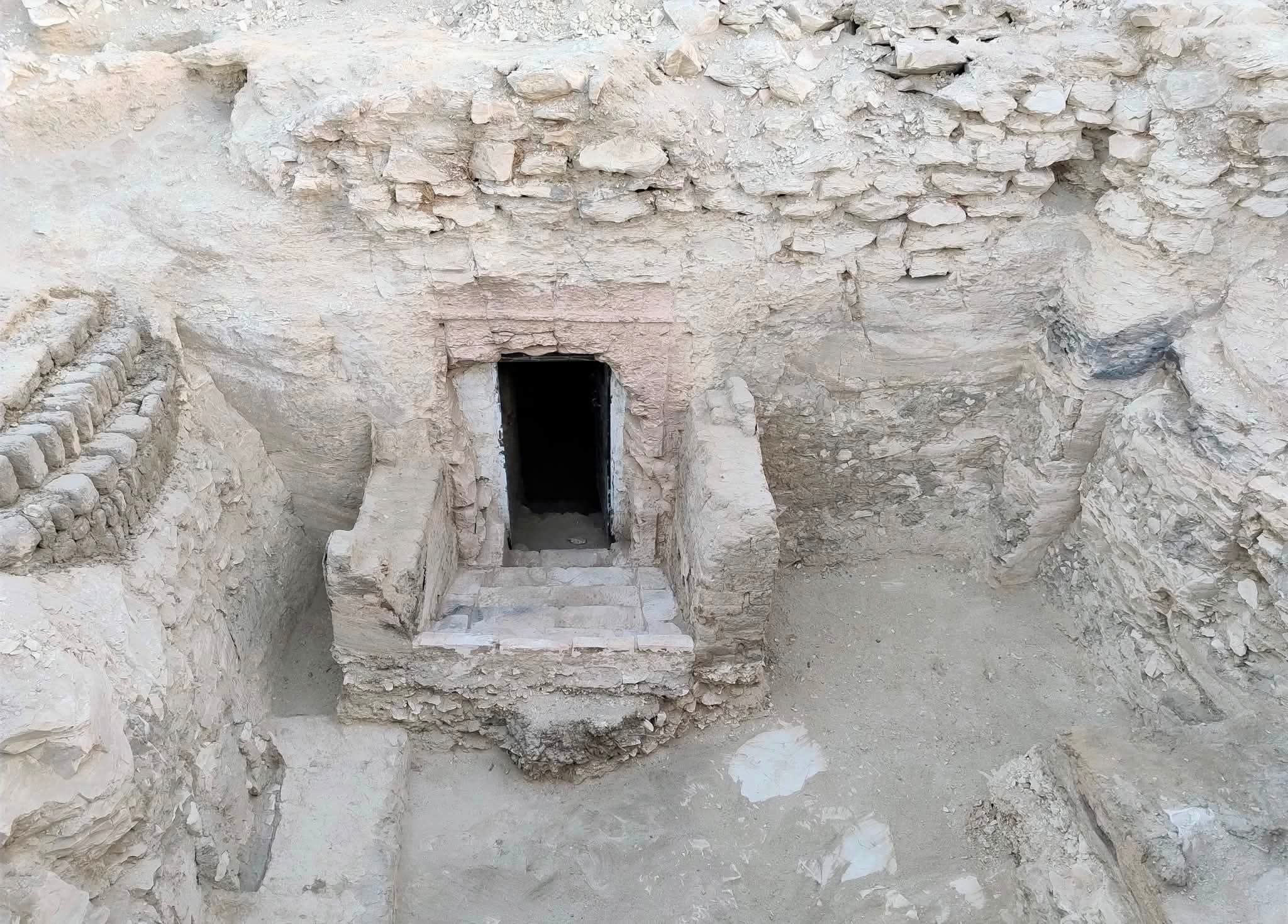
A Dutch archaeological mission from Leiden University has discovered a tomb belonging to a person named “Paser” on Luxor’s West Bank, which likely dates back to the Ramesside period.
The discovery was made during the mission’s current excavation season, according to Hisham El-Leithy, Secretary-General of the Supreme Council of Antiquities. He explained that the tomb is located east of Theban Tomb No. 45, where the team has been conducting a research and field project since 2018 in cooperation with the Ministry of Tourism and Antiquities. The project aims to implement preventive conservation and risk management programmes, as well as prepare the first comprehensive archaeological study of the area.
Mohamed Abdel Badie, Head of the Egyptian Antiquities Sector at the Supreme Council of Antiquities, stated that the tomb’s architectural layout matches the customary style for private tombs in Thebes during the New Kingdom. The structure consists of an outer courtyard, an inverted T-shaped rock-cut chapel, and underground burial chambers.
The tomb’s courtyard contains several well-preserved architectural elements, Abdel Badie added, including a mudbrick mastaba featuring a niche designed for a funerary stela, and a staircase flanked by ramps leading to the entrance.
The tomb also houses several scenes bearing the name of its owner, Paser. While partially covered by a thin layer of dust, the colourful wall murals depict him worshipping deities inside shrines and standing with his wife before an offering table.
Dr Carina van den Hoven, the head of the Leiden University mission, confirmed that the team will begin implementing structural consolidation, maintenance, and restoration works for the colourful decorations during the upcoming seasons. She expressed her anticipation to continue work at the site and achieve further archaeological discoveries.