
18th Century Dog Sculpture at Risk of leaving the UK
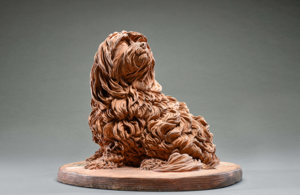
An export bar has been placed on Anne Damer’s 18th-century ‘Shock Dog’ sculpture in an effort to protect this rare surviving terracotta model.
Anne Damer was one of Britain’s pioneering sculptors and is recognised as the first woman to achieve prominence in this field. Damer was an honorary exhibitor at the Royal Academy for over 30 years, from 1784 to 1818, and showcased more than 30 of her works.
Shock Dog is one of Damer’s rare surviving sculptures of a domestic pet. She was well known for such works during her lifetime and has since been recognised as the first specialist in this field. A Shock Dog was typically a small, rough-coated dog (like the Maltese) favoured in 18th-century Britain.
Works of this kind were a significant part of a broader British tradition, dating back to the early 18th century, that focused on portraying beloved animals in both paintings and sculpture.
The Committee made its recommendation on the basis that the sculpture met the first, second and third Waverley criteria for its outstanding connection with our history and national life, its outstanding aesthetic importance and its outstanding significance to the study of the work, career and working practices of Damer, one of the first major female sculptors; as well as the development of representing animals in portraiture.
The decision on the export licence application for the sculpture will be deferred for a period ending on 29 April 2026 inclusive. At the end of the first deferral period owners will have a consideration period of 15 Business Days to consider any offer(s) to purchase the sculpture at the recommended price of £635,000 (plus VAT of £27,000 which can be reclaimed by an eligible institution). The second deferral period will commence following the signing of an Option Agreement and will last for four months.