
113,000 People Are Rebuilding The Last Supper, One Tile at a Time
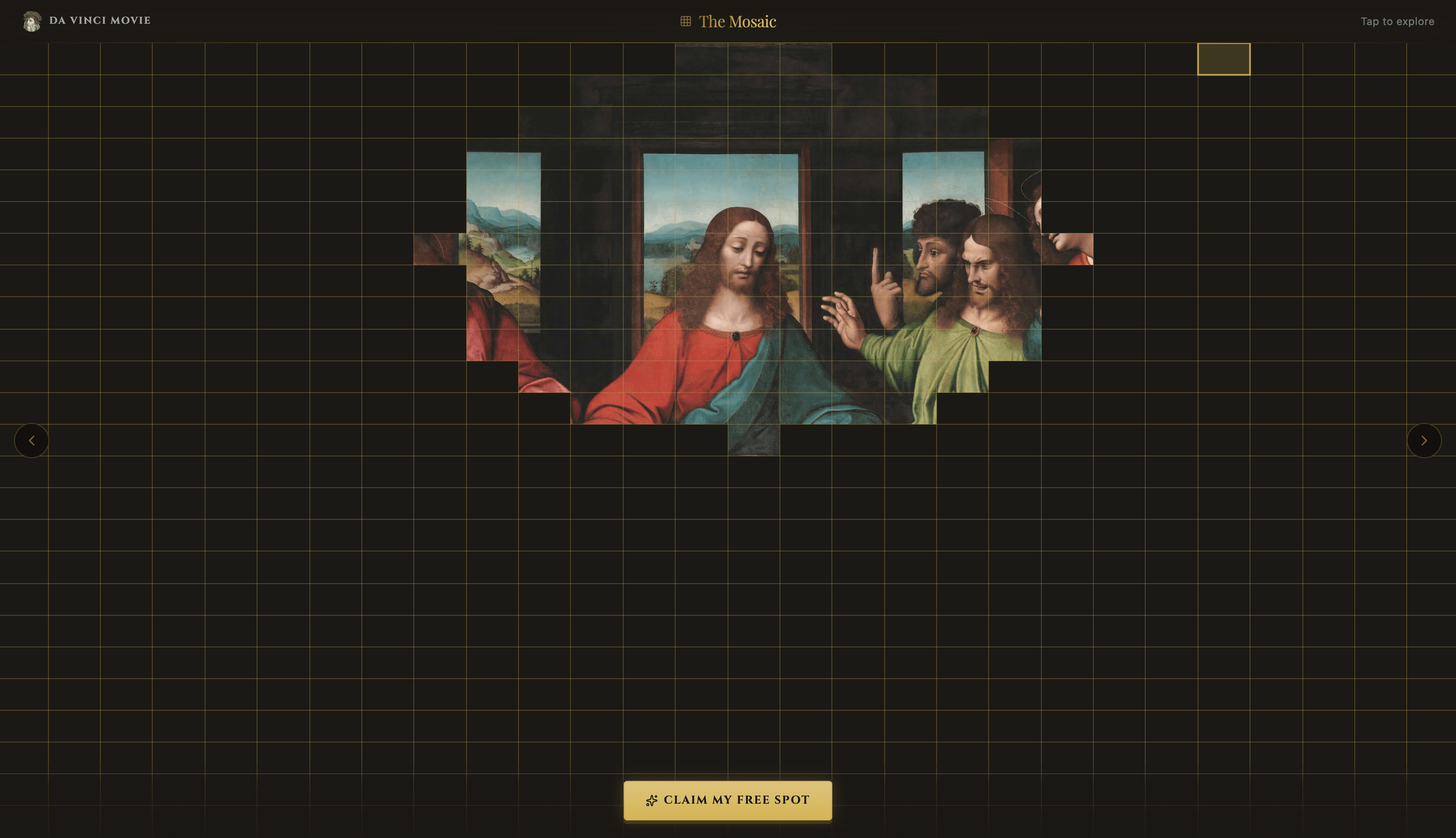
For more than five centuries, Leonardo da Vinci's The Last Supper has been something people travel to see. Now, more than 113,000 people around the world are helping to rebuild it.
A new digital mosaic project is inviting one million people to collectively complete a recreation of the famous painting, one tile at a time. Participants claim an individual tile within the work, revealing more of the image as others join.
So far, 113,293 tiles have been claimed by people across 141 countries. Fifty-six of those
countries have already contributed more than 100 claims.
The project is an interesting example of how people can interact with art online. Famous works are reproduced constantly across websites and social media, but the Da Vinci Mosaic asks people to participate in the image rather than simply look at it. Without enough people claiming tiles, the work remains unfinished.
From Audience to Participant
Collective art is nothing new, but digital platforms have changed the scale at which it can
happen.
A physical installation is usually tied to a particular place. A collaborative work in a museum or public space requires people to actually be there. The Da Vinci Mosaic isn’t tied to a physical location. Someone in New York can claim a tile at the same time as someone in Tokyo, São Paulo or a small town thousands of miles away.
Claiming one tile is a small gesture, but the idea only really works at scale. As more people join, more of the painting comes into view.
There is something fitting about applying this model to The Last Supper. Leonardo's mural has survived centuries of damage, restoration and reinterpretation. Its image is recognizable around the world, including to people who have never stood inside the convent of Santa Maria delle Grazie in Milan.
The digital mosaic is not intended to replace or reinterpret the original. Instead, it uses a familiar image as the starting point for a global, collaborative project.
With every claimed tile, a little more of the work is completed.

A Mosaic Connected to a Film
The project is tied to Da Vinci, an upcoming independent film written and produced by Harrison Powell and directed by Lucio Castro.
Set in 15th-century Milan, the film focuses on Leonardo during the period in which he was
creating The Last Supper. Rather than presenting him only as the untouchable genius familiar from art history, the story looks at an artist in crisis, dealing with doubt, pressure and the possibility of leaving important work unfinished.
The film stars Philip Ettinger as Leonardo, alongside Julianna Canfield and Ferdinand Kingsley.
The idea of unfinished work also connects the film to the mosaic. The digital recreation begins incomplete and can only grow as people decide to take part. With a goal of one million claimed tiles, there is no way for one person, or even a small group of people, to finish it.
The connection extends beyond the artwork itself. By claiming a tile, participants can access behind-the-scenes updates and enter opportunities tied to the film, including the chance to have their name appear in the end credits or attend the premiere.
What's unusual is that an audience is already forming around the film before it has reached the screen.
More than 17,000 invitations to join the mosaic have been accepted so far. People are not only claiming their own tiles but inviting friends and others to take part, allowing the project to spread well beyond the film's existing audience.
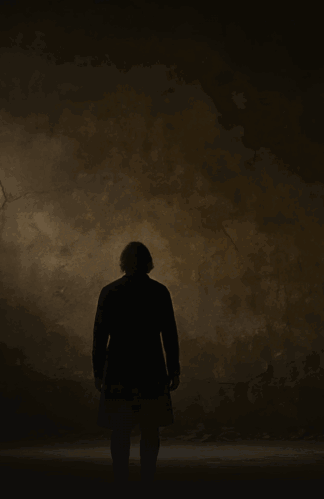
Promotional image for the upcoming independent film Da Vinci.
Watching the Mosaic Grow
There are countless digital recreations of famous artworks online. What makes this one different is that there is something to watch over time.
The Da Vinci Mosaic is still visibly unfinished. At 113,293 claims, it is just over one-tenth of the way toward its goal of one million tiles.
As new tiles are claimed, more of the painting appears. How quickly that happens, and whether the mosaic eventually reaches one million participants, depends on the people who find it and decide to join.
Leonardo's The Last Supper has spent centuries being studied, restored, copied and
reproduced. This latest recreation is being built in a very different way, through thousands of small contributions from people spread across 141 countries.
Main Image: The Da Vinci Mosaic in progress, with more than 113,000 tiles claimed across 141 countries.